Last month, Missoula local Austin Norman was awarded nearly $26,000 in court costs and legal fees following his lawsuit against the Mountain Line bus system. After nearly two years of litigation, Montana’s Fourth Judicial District Court ruled in favor of Norman after the City of Missoula tried and failed to violate the Montana Constitution by withholding publicly-funded video documentation on their buses for spurious reasons. The City of Missoula further embarrassed itself by failing to follow basic procedures of law and in turn suffered a humiliating legal defeat at the hands of a longtime local citizen.
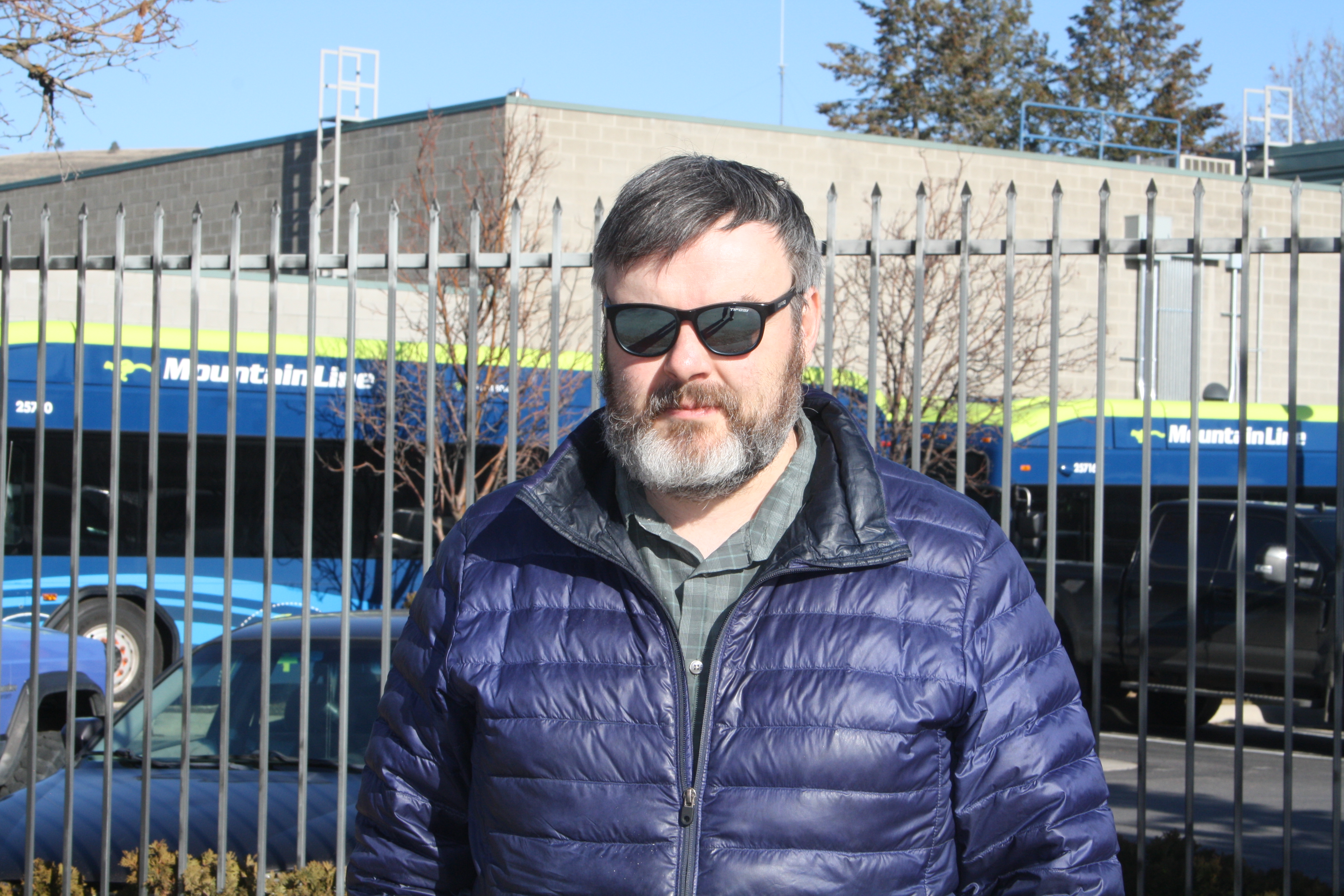
Mountain Line – also known as the Missoula Urban Transportation District (MUTD) – is Missoula’s free bus service. 38-year-old Norman, who was once the union shop steward for Mountain Line, drove buses for MUTD from 2018 until 2023. During that time, Norman was witness to and critical of poor working conditions, high employee turnover, severe micromanagement practices and a long list of equipment failures and criminal activity on buses including stabbings, assaults, flagrant drug use and indecent exposure.
“There are bigger issues at MUTD like kids getting sexually assaulted on the buses,” says Norman. “There was some guy that I believe started masturbating in front of a minor on the bus, which was really disturbing. And there’s been a whole host of things. I’ve known drivers that have been physically assaulted and all kinds of unsavory behaviors that I don’t think Mountain Line is taking seriously enough.”
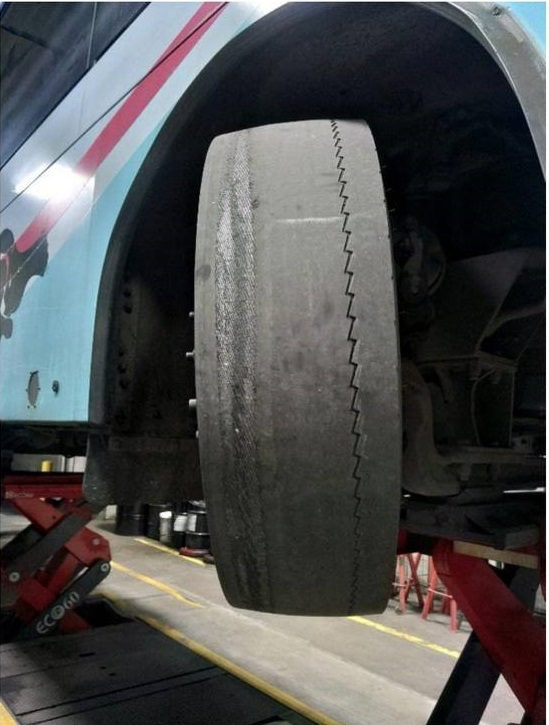
Despite union seniority, Austin was working 10-hour shifts without a scheduled lunch break due to staff shortages and high turnover rates. He also complained of severe micromanagement policies on par with those portrayed in Mike Judge’s Office Space.
“The company was absolutely awful to work for,” says Norman. “I think if the Missoula public really realized how MUTD actually operates, they would be appalled.”
Working conditions compelled Norman to file an Unfair Labor Practice complaint with the Board of Personnel Appeals in 2022 alleging that his union authored a threatening memo that was posted on a bulletin board at Mountain Line and intended “to stymie legitimate concerted activity among public employees at Mountain Line,” causing employees to feel threatened. Many of his co-workers openly supported this complaint which ultimately died at the Montana Department of Labor.
Norman says that while he sought to make the bus system better, his efforts were consistently met with resistance from company leadership. After he quit in 2023, Austin created a Facebook page to raise public awareness among Missoulians of the failures and dangers of Missoula’s “free” bus system. The page, Mountain Line, a Call For Transparency and Reform, has hundreds of followers and has succeeded in at least calling attention to problems that local newspapers and City leadership would rather pretend aren’t happening. Part of that ongoing campaign involved obtaining bus videos of unscrupulous behavior.
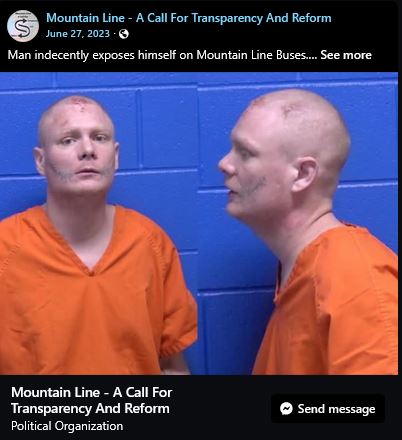
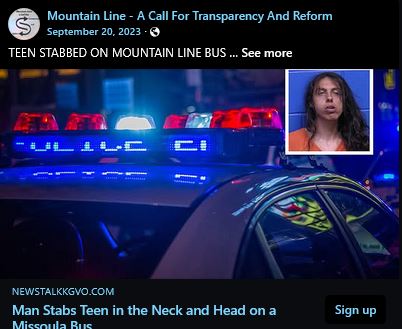
“I created [the Facebook page] almost as soon as I left,” says Norman. “People in Missoula needed to be aware of just exactly what’s happening, how this transit system works.”
But Missoula officials were less than thrilled whenever these videos surfaced on Austin’s Facebook page, in part because he was exposing their unwillingness to address the inadequacies of their mismanagement. The MUTD Board attempted to put an end to Norman’s citizen dissent of their bus system in February 2024 by attempting to universally prohibit the dissemination of videos captured by Mountain Line buses. At the 14 February 2024 MUTD Board Meeting, the policy on video evidence collected by Mountain Line buses was changed so that “All information acquired from the use of security cameras … is considered security sensitive information and is confidential.”
“And then they adopted this policy that says, ‘Nope – no more videos for anyone’,” Austin says. “And that’s what precipitated the lawsuit because that’s a ridiculous notion. I knew that could not be legally correct.”
Norman correctly asserted that the new MUTD policy was antithetical to the Montana Constitution and filed suit the following month. On 13 March 2024 he filed a Petition to Enforce Constitutional Rights for Disclosure and a Complaint for Declaratory Relief. This filing followed the City’s denial of videos requested by Norman in January 2024:
In MUDT’s February 5, 2024 denial letter, MUTD provides no appeals process for their decision other than they will not give over videos without a “court order”. …MUTD has not shown with facts or details how releasing videos would jeopardize the security of anyone generally within the purview of public viewing, except to say that the release of videos could review blind spots within their camera/security system
Austin recalls the City’s illogical claims with a chuckle. “Their attorney at the time said, ‘Mountain Line will not be giving any more videos without a court order.’ It should not take a court order to make a public entity do what they’re legally supposed to be doing.”
Norman considered this nothing short of a First Amendment issue. “I was basically stymied from exercising my First Amendment right to interact with the public because I’m not able to get information that’s related to what’s going on and interact with the public on this,” he says.
Nevertheless, MUTD’s lawyers imagined every plausible excuse they could think of to deny further public information requests. They pointed to Florida’s laws and a homicide case in Illinois and bent themselves into pretzels trying to justify their immunity to Montana law. Rather than dealing with the consequences of their management practices, Missoula’s City “leaders” have once again chosen to simply ignore the problem.
“If people need any proof of what clowns these people are they just need to look at these documents,” Norman says.
He did his homework and filed his own Summary Judgment with the court in October of 2024. Austin’s filing explains in detail to the poor saps defending MUTD that their illogical attempt to connect Illinois law with Montana law was not going to work in this case:
During depositions it was opined that giving out videos due to a loss of their control and blind spots could cause a major security risk. … [MUTD and their attorneys] handed over a case from an Illinois state appeals case that dealt with denial of security footage. … Illinois law allowed for denial of the video footage that was asked for involving someone being pushed onto the tracks in an attempted homicide investigation. This is a huge difference … According to the theory of MUTD’s policy, videos are only to be seen by “authorized personnel” under the care of MUTD. … Public entities like MUTD should be expected to follow the law, without the need to get a court order to try and compel them to do what they should be doing as a matter of law.”
In October 2024, Missoula’s attorney representing MUTD, Susan Aaberg, responded by alleging that passengers and drivers would be put in “danger” if videos were disclosed to the public:
MUTD believes releasing those videos would jeopardize the safety and security of MUTD, of its passengers and its operators. … that releasing MUTD in bus security videos to the public that show the vulnerabilities of the camera placement and where cameras record would jeopardize the effectiveness of the surveillance cameras and could put passengers and drivers in danger. … All members of the public having knowledge of where cameras record in the bus, creates safety and security concerns for everyone, including passengers and drivers. Passengers want to know they will be safe when riding in public transit.
“If they don’t want to have cameras, they don’t have to have cameras,” says Norman. “But if you’re going to have cameras, then the public must have a reasonable opportunity to request the footage because they’re publicly funded.”
Austin goes on to explain, “Susan Aaberg and Mountain Line were hiding behind this absurd notion that if we release footage, then the public will know where the cameras are in the buses and that somehow became a problem. And the other thing that they’re weighing that against is the quote-unquote ‘reasonable expectation of privacy’. And that was what they tried to hide behind to not disclose videos. Privacy and security. They try to use a security exception, which just doesn’t add up for so many reasons because you’re in public.”
In November 2024 he responded to the City’s Cross Motion for Summary Judgment:
[…] there is a strong precedent against the preclusion of public information unless the public entity can show a right to privacy that clearly outweighs the merits of public disclosure. … The respondent [MUTD] has failed to demonstrate how they are entitled to relief as a matter of law.
Missoula’s attorneys tried another angle to convince the judge of their legal immunity, and that was attempting to conflate Montana’s legal standards to the unique legal framework of Florida, which does not allow public information requests for videos of any kind that are security related. And they were doing it with the tried and true slogan that “it’s all for your safety!” Corrupt bureaucrats making the claim that their lawlessness equals “your safety” is one of the oldest obfuscation tricks in the book. But Austin knew that Mountain Line was nevertheless violating the law unless their attorneys could somehow clearly show how privacy rights outweighed the merits of public disclosure.
“City lawyers were trying to find anything nationally that would back up their unwillingness to disclose public records,” says Austin. “And so one of the other wild, left-field forays that they went safari hunting on was in Florida. … We didn’t have any case law in Montana about videos specifically. They tried to say that because it’s security related, it’s confidential. Though that is, under state law, unconstitutional and unlawful.”
In a separate filing, Norman illustrated why the City’s Hail Mary attempt to deny video evidence based on the laws of the Sunshine State amounts to laughably incoherent desperation:
The respondent [MUTD] seems to try to opine that it is a common practice to refuse all videos from public transit cameras, this is simply not true… This is a question of Montana law, not how the state of Florida expressly has statutes that block access to almost everything even “related to security,” which is largely a moot point in comparison to Montana law. … Their only evidence is essentially conjecture, speculation, and denial based on two cases in other states, for which one of the cases in Illinois does not appear to mean what the respondent opines that it does. … The respondent then goes on to say in their response, “That is the concern in this case, that releasing MUTD in bus security videos to the public that show the vulnerabilities of the camera placement and where cameras record would jeopardize the effectiveness of the surveillance cameras and could put passengers and drivers in danger.” The respondent [Mountain Line] does not provide any evidence as to how this would credibly happen or how there is some profound vulnerability beyond blind spots, nooks, and crannies, nor has the respondent demonstrated how denial of all videos is necessary to preserve security.
In February of 2025, Judge Shane Vannatta granted Norman’s Motion, denying MUTD’s Cross Motion on the grounds that they completely failed to make a compelling case:
MUTD provides no analysis as to how each particular video that Norman requested would so jeopardize that safety and security. … there are tools such as redaction or cutting out certain parts of a video that could be employed by MUTD … if it was concerned about privacy or security regarding certain videos. … MUTD provides no analysis as to how the relevant Florida statutes are similar/distinguished from Mont. Code Ann. § 2-6-1003(2). … MUTD provides no support for how disclosure could reasonably be expected to jeopardize the effectiveness of the video surveillance by disclosing its vulnerabilities like areas captured by the cameras, the clarity and resolution of the images, and blind spots. … MUTD has failed to show that the videos requested by Norman … must be withheld from public scrutiny because release of the information jeopardizes the safety of the public. Therefore, the Court grants Norman’s Motion and denies MUTD’s Cross Motion … there is no actual right to privacy because MUTD gives notice with signage to the public ridership of audio and video recording and the cameras on MUTD buses are in plain view.
“The cameras self-overwrite after a few days unless copied to an external drive,” says Austin. “When I filed my public information request over a year ago they basically just didn’t bother to pull the tapes.”
Once Judge Vannatta made it clear that MUTD was legally required to disclose all requested videos, the City’s attorney attempted to sleaze her way out of this legal obligation by quietly claiming to the judge that Mr. Norman was in “agreement” with them. The semantically ambiguous shield they attempted to hide behind was that Austin “agreed” that, in fact, MUTD was not in possession of the videos that his suit was demanding, that the judge had ordered be released. MUTD’s legal team were apparently hoping that Mr. Norman lacked the capacity to notice this filing. But having experience working as a paralegal, Austin did notice, and pounced immediately.
“We all knew that they don’t have the videos anymore,” says Norman. “They didn’t try to preserve them. And they actually didn’t even reveal that to the court. After that [Susan Aaberg] started filing motions – the rule 60 stuff – the civil procedure about trying to amend the judgment. She tried to make it seem that we were in agreement by twisting the language, by telling the judge, ‘We agree that [MUTD doesn’t] have the video.’ And they try and twist that into, ‘Austin agrees that this is okay that we don’t have the video.’ Yeah. So I kept emailing them saying that’s not what I agreed to!”
“And you know, the comedy of errors just keeps going,” says Norman. “The madness has not ended, by the way, with my lawsuit since even though I won, they don’t have the videos. So she filed a motion with the Court to “amend judgment” to let them out of not having to give videos.”
In April 2025, the City’s attorney filed a Second Motion to Amend Judgment, pleading with the court that since Mountain Line didn’t preserve the videos in question, accessing them constituted an impossibility and that therefore MUTD was entitled to be absolved of the malfeasance:
“It did not occur to Respondent or Respondent’s attorney that the videos had been overwritten prior to the lawsuit being filed and therefore no one notified the Petitioner or this Court that the videos did not exist at the time the lawsuit was filed.”
Austin was dead set against allowing them to absolve themselves so easily. “Basically, it seemed to me that the Susan Aaberg logic was that the court has ordered us to give over the videos, they don’t have them, therefore under rule 60, because it’s an impossibility, [MUTD should be] let off the hook.”
The following month, in May 2025, Norman filed his response:
[…] respondent [MUTD] no longer has the videos requested by the Plaintiff and ordered to be produced by this Court. … Respondent had well over a year for which they could have pleaded to this Court or revealed to the Plaintiff [Norman] that they no longer had the videos from the public records request. … they [MUTD] claim firstly that, the “[r]espondent believed there was no reason to retain the video after denial of the request and the security videos were systematically overwritten as normal procedure”. This indicates the respondent knew the videos were not retained and they negligently allowed them to be overwritten by their own pleading.
The respondent then claims that it did not occur to [them] that the videos had been overwritten prior to the lawsuit being filed and therefore no one notified Petitioner or this Court that the videos did not exist at the time the lawsuit was filed … This statement appears contrarian to their previous statement. If a deliberate decision was made to let the videos overwrite because they believed there was “no reason to retain the video[sic]”, then how could this fact not have occurred to the respondent for over a year of litigation?
Ultimately, Austin’s diligence paid off and the court universally rejected the nincompoopery of the City’s attorney and MUTD. In Judge Vannatta’s 09 June 2025 Order he stated:
[…] MUTD’s request for relief based on mistake, inadvertence, surprise, or excusable neglect is unpersuasive. … The Court further admonishes MUTD for failing to earlier disclose to Norman and the Court that the requested videos do not exist. MUTD knew or should have known that the requested videos had been overwritten on or about January 22, 2024. Indeed, MUTD states that it believed there was no reason to retain the videos after Norman’s request was denied which was February 5, 2024. MUTD did not disclose to Norman that the videos no longer exist until April 1, 2025, almost 14 months later.
“The litigation went on for over a year,” says Norman. “They had an entire year to tell myself and or the Court that they no longer had the videos that were ultimately ordered to be released by the Court. The fact they never revealed this key fact until post judgment is a hard pill to swallow. ”
As MUTD’s lawyers wasted everyone’s time with their back-and-forth court filings, one has to wonder exactly when they understood they were potentially in contempt of court. Not having the court-ordered videos was bad enough, but dragging their heels for over a year to disclose that fact seems to have irritated the judge.
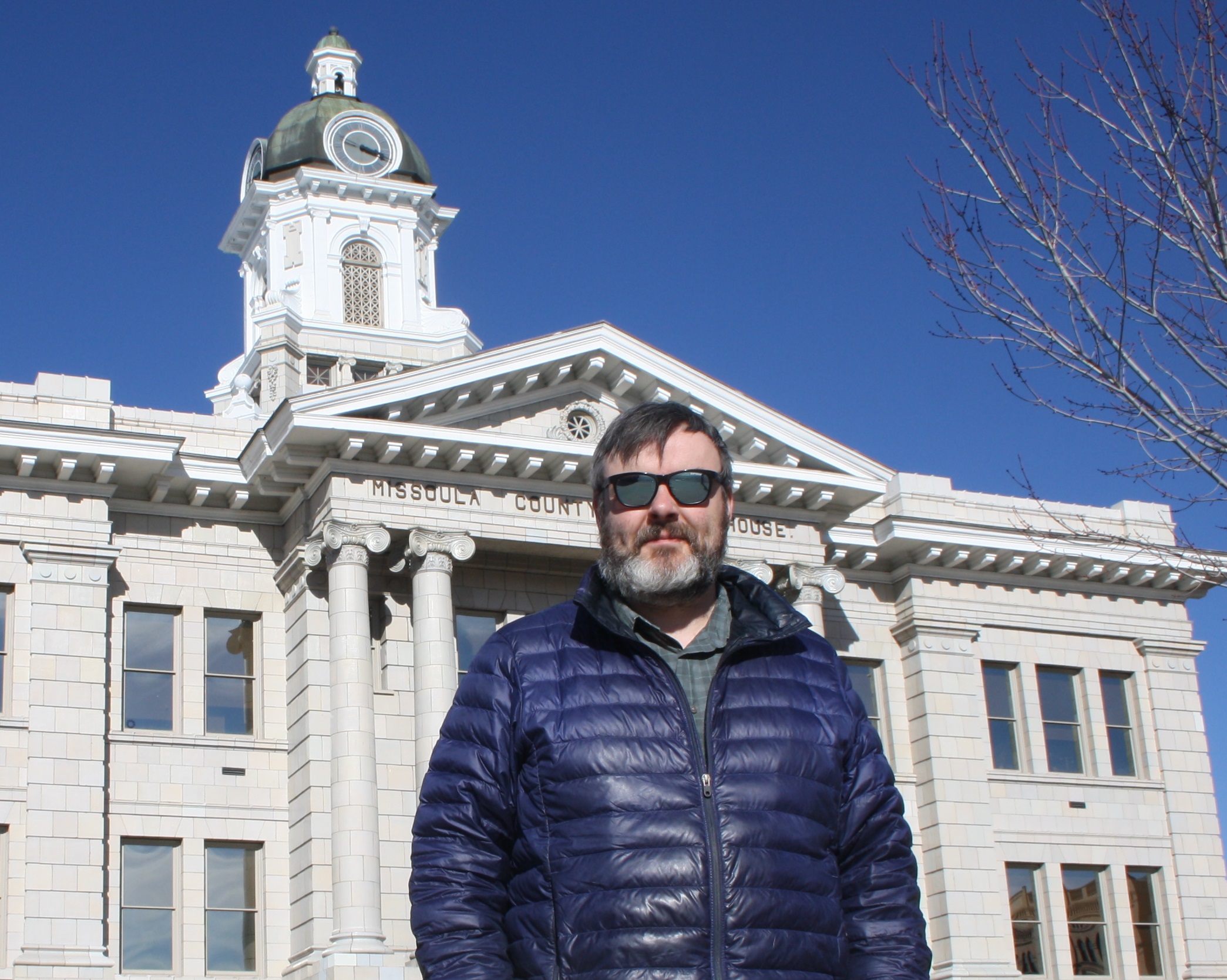
“The judge said, ‘I’m sorry to tell you guys, but this is inadequate’,” says Austin. “This was clown-level arguments from the Missoula Urban Transportation District. Just clown-level stuff. The people that are in charge of MUTD are not doing a good job.”
In the end, the judge granted Austin’s summary judgment and put the City into a tight spot, ordering them to change their video policy while also awarding court costs and lawyers fees to Austin in the amount of $25,952.11.
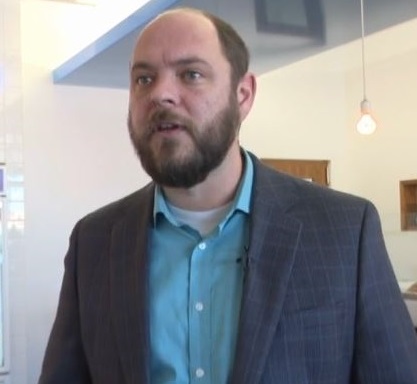
“Shane Vannatta told MUTD that the policy is inadequate based on his entire legal and professional background,” says Norman. “Vannatta stated that the key here is the public’s right to know based on Montana’s Constitution. After the judge stated all that I looked over at [MUTD General Manager] Jordan Hess and their attorneys and they looked extremely disappointed from the truth of the law that was given to them by the judge.”
Austin asserts that his efforts to expose Mountain Line aren’t merely the antics of a disgruntled former employee but from legitimate concern on behalf of his fellow citizenry. “I’m not just doing this for me, but I’m trying to stand up for our Montana State Constitutional rights here which, by the way, Shane Vannatta said were violated in his order.”
“It isn’t just me,” he says. “I mean, what if you’re in traffic today and somebody comes out and bashes your windshield in and there’s a Mountain Line bus nearby? Because they have external cameras too. Now they can’t just let that video delete without serious potential legal consequences because the court order stands.”
Austin wonders how local taxpayers who don’t use the service feel about their tax money being so flagrantly wasted by MUTD. At the end of the day Missoula’s “free” bus service is anything but free, garnering over $10 million from local property taxes for a service that most Missoulians do not utilize.
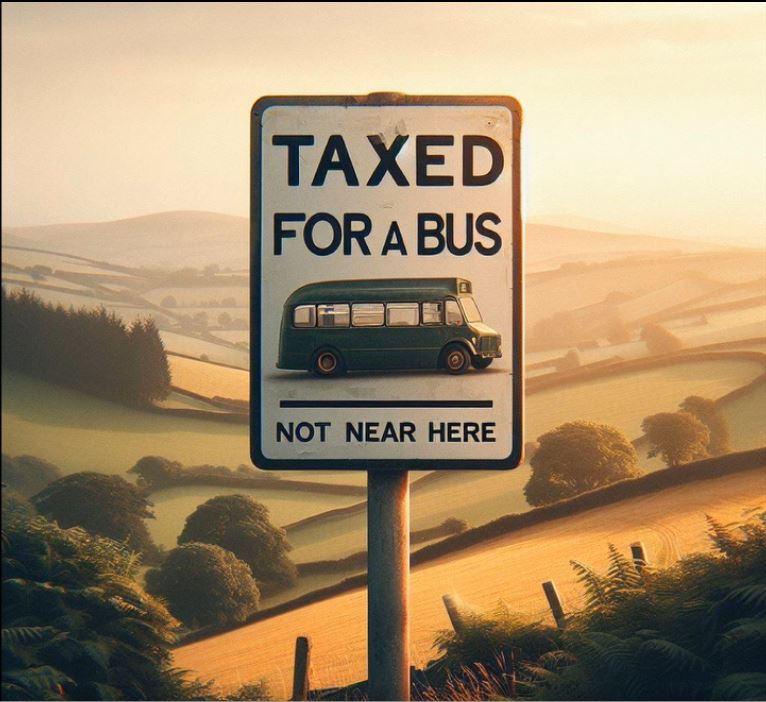
“[MUTD] are allowed to levy through the authority that the legislature is granted transportation districts, and it comes out in property taxes,” says Norman. “I believe that the core of their zero fare is largely funded by your property taxes. So it’s not really free. It’s a very expensive free.”
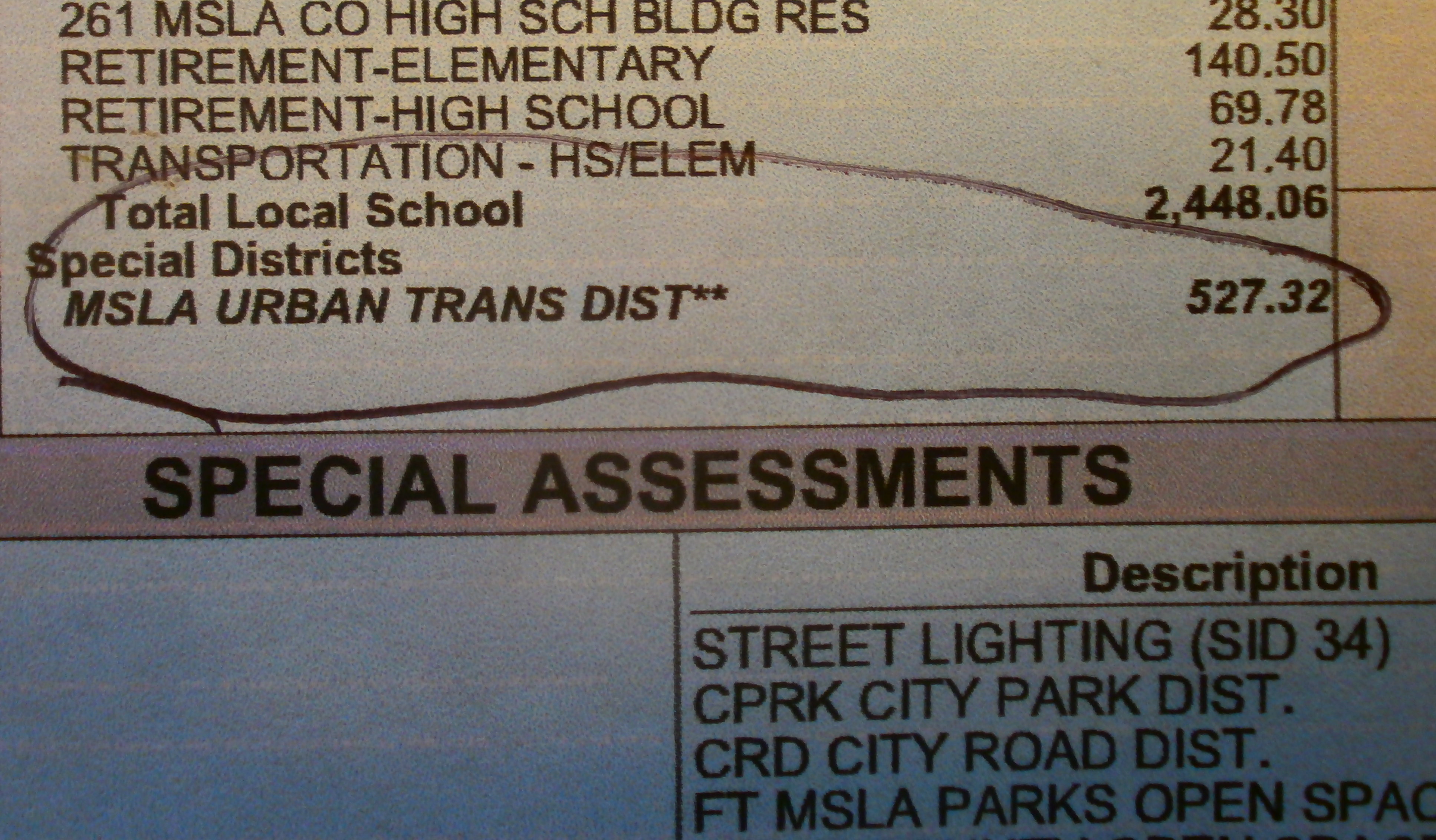
He goes on to explain how the City has hidden the Mountain Line fee on Missoulians’ property tax bills. “They hide it on there as MSLA URBAN TRANS DIST but a lot of people wouldn’t even know what that means. But then they see, holy crap, I’m paying all this money for a bus system that I’m not really using. They’re just hauling a small amount of transients around – which I think is a lot of it, by the way, is people are using it as a makeshift homeless shelter all day, especially in the winter to keep warm. And I don’t say that in any derogatory way against homeless people, but it’s just a fact and they are not getting the real help they need. I really feel that MUTD is part of the homeless industrial complex.”
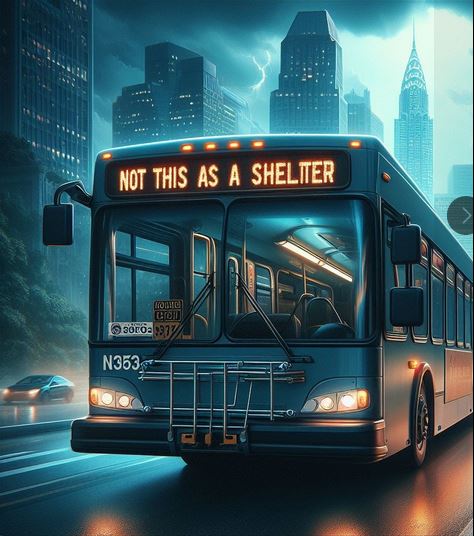
Austin says that he doesn’t use the bus system himself because of his experiences with passengers.
“I would even consider using it if it was more inclined to move people to and from jobs efficiently instead of just becoming another makeshift shelter for homeless people to ride all day.”
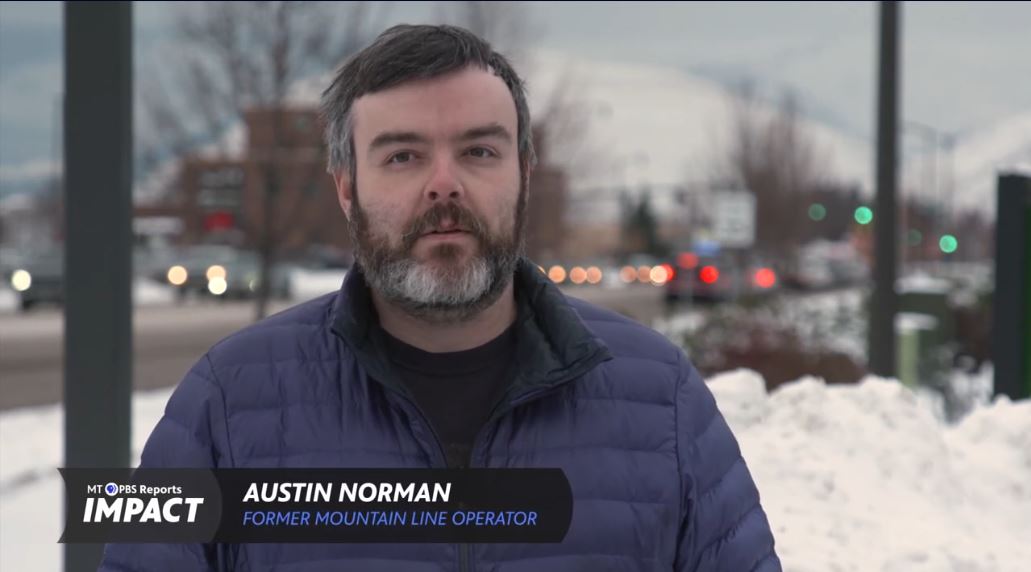
Austin’s lawsuit is just one small win in his fight to reform the myriad of problems now plaguing Missoula’s “free” bus system. His Facebook page continues to advocate for reforms to MUTD that will benefit taxpayers and better serve riders and employees. After losing to him in court once already, the City may be more inclined to listen to his legitimate concerns going forward. It also seems likely that MUTD may start taking seriously the numerous issues that Austin has already gone to great lengths to make public. He was even featured on a PBS report regarding a separate lawsuit threat against Mountain Line that also involved the violation of Montanans constitutional rights.
“The crux of it is just sick, unelected bureaucrats thinking they can get away with anything without evidence because it’s self affirmation, or it’s true because I say it’s true,” says Norman. “The thing is it is true when they say something is true only if nobody challenges them like this which they are not used to. It’s symptomatic of a bureaucracy reinforced in the belief that they are autonomous and without any accountability to taxpayers.”
“And they are not used to accountability like this,” Austin smiles. “Jordan Hess is definitely upset about the expense of this and everything but they did this to themselves. It just took someone like me to hold them accountable and catch up with them.”
 Outer Limits Radio Show